Choose what to grow
Compare plants.
Put the light, root space and seasonal needs beside one another before choosing a place in your garden or home.
1 of 3 plants selected — add another to compare.
| Care decision | 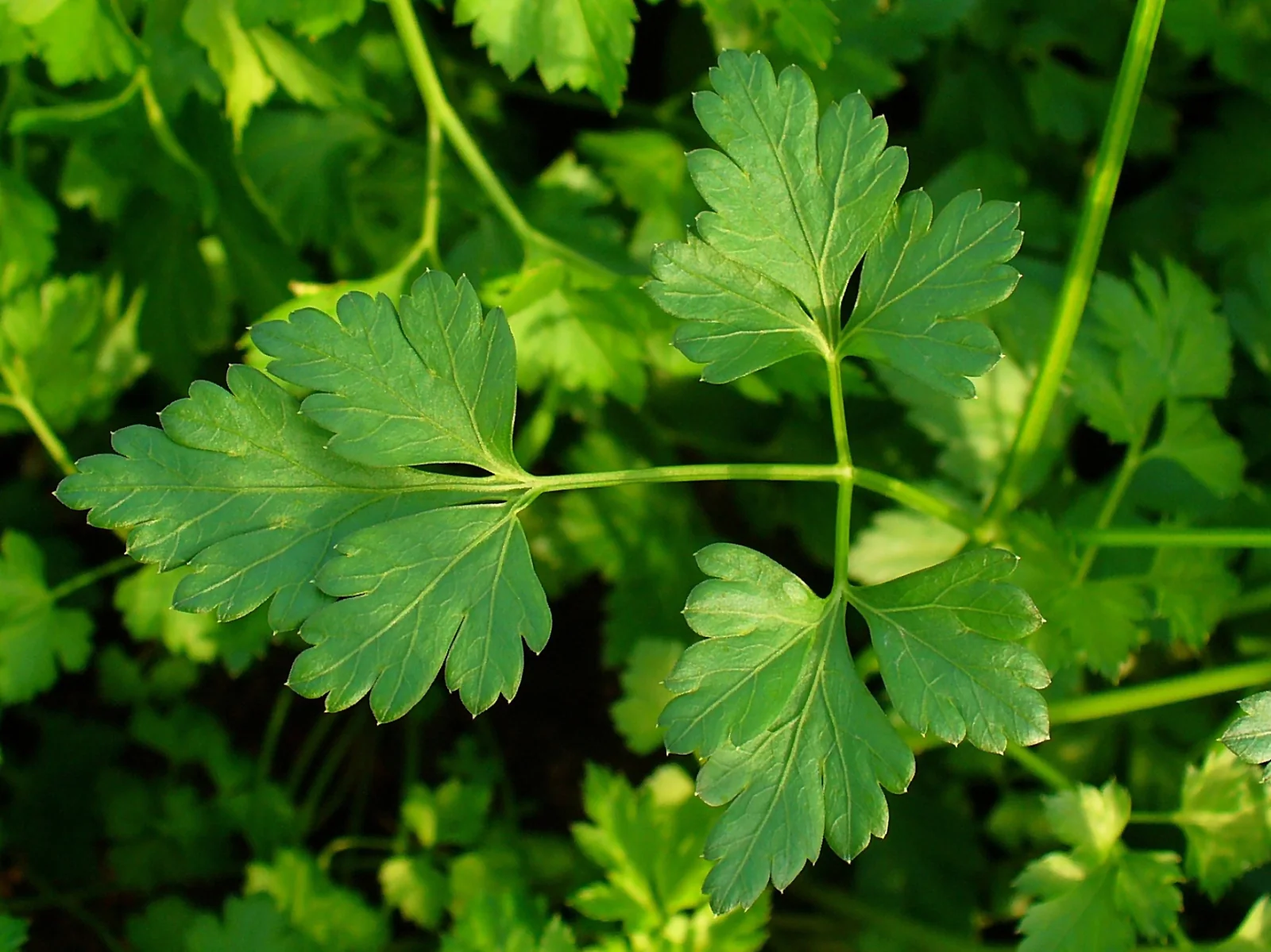 |
|---|---|
| Light | Full sun or light partial shade; afternoon shade can help in hot climates. |
| Water | Keep the root zone evenly moist without waterlogging; do not repeatedly dry the plant out. |
| Soil & growing mix | Rich, well-drained soil; pH 6.0–7.0 is a useful target. Minnesota Extension. |
| Mature size | Leaf rosettes commonly 12–18 inches tall; flowering stems become taller in the second year. Wisconsin Extension. |
| Growing season | Leaf crop in cool to mild weather; often spring through fall in temperate gardens. |
| Winter & climate | Biennial; tolerates light frost, but outdoor winter survival depends on climate and exposure. |
| Container fit | Well suited to containers. Check mature size and root-space guidance in the reference. |
| Place & variety | In northern gardens parsley is often raised for the summer season. In Florida it is usually planted in fall or winter. Surviving winter does not keep it in a permanent leaf-producing stage: flowering is part of its biennial cycle. |
| Equipment to consider | |
| Evidence & next steps |
|
These facts help compare choices. They do not establish that plants can share a pot, watering circuit or outdoor site. Check the full reference and local suitability before planting.
Open this comparison as a bookmarkable page
Give your choice enough room.
Use inside bed or pot measurements to plan mix quantities and working space.