Give each herb a pot and a clear purpose
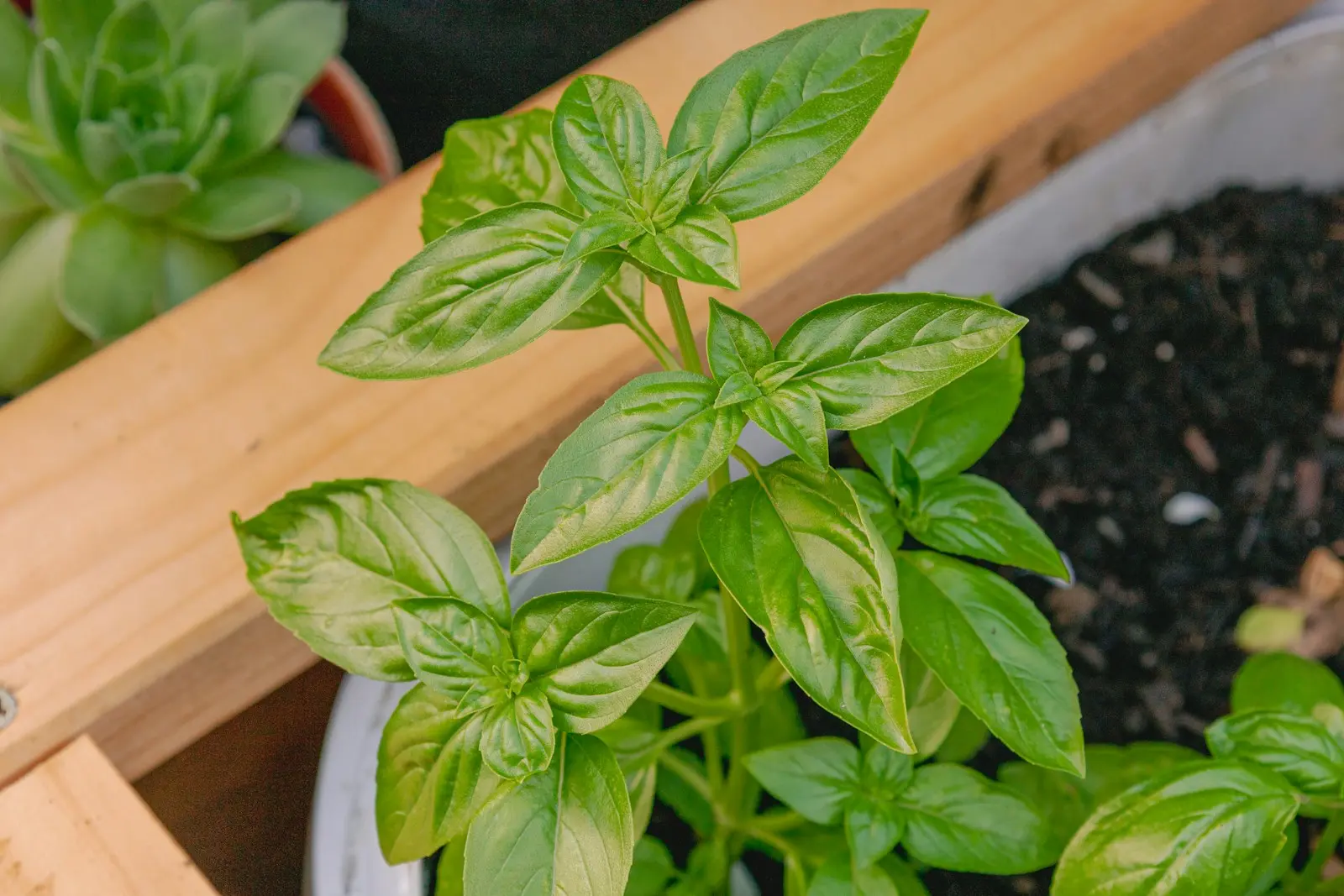
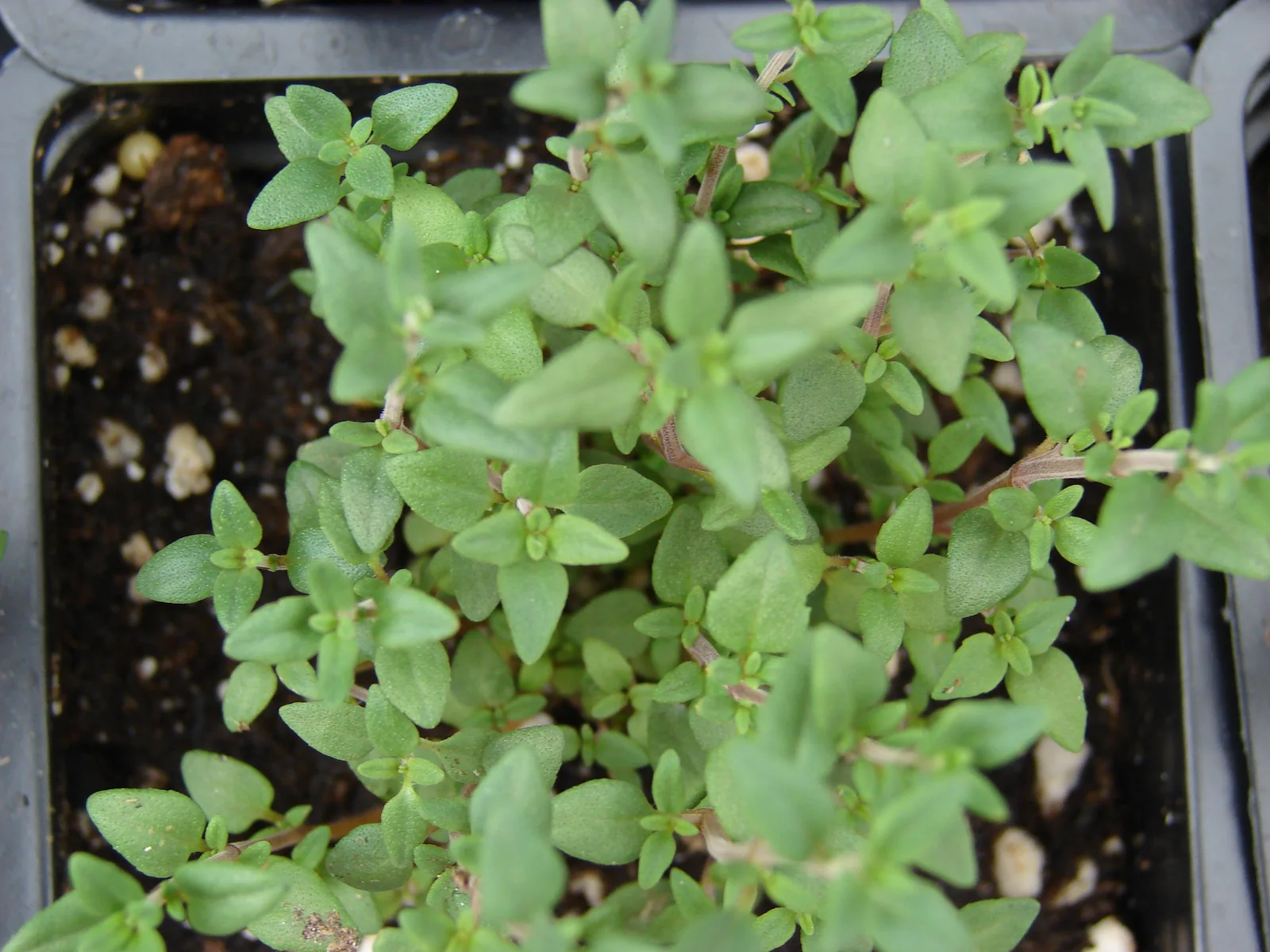
Three separate pots make this a useful kitchen project: a few basil leaves, parsley sprigs and thyme tips, each gathered when needed. Select a compact basil such as ‘Emily’, a named flat-leaf parsley and culinary English thyme. Illinois lists Emily as a compact Genovese-group basil. Buy healthy young plants labeled for culinary use and plan for modest early harvests while they establish. Illinois: basil
The shortlist is Espoma Organic Potting Mix for ordinary container planting and Fiskars Micro-Tip snips for selective soft growth. The existing mix listing is one eight-quart bag, so it will not fill this whole project. The snips are optional if you already have a clean tool that cuts the stems comfortably. Pots, plants, labels and a watering can are separate purchases or items to reuse.
Measure the usable pot interiors
The example uses three identical tapered, round pots: 14 inches across the inside top, 11 across the inside bottom and 12 inches of inside height. Leave 1 inch below the rim for watering. At that fill level, the calculated capacity is about 21.77 liters per pot. Subtracting an assumed 1-liter root ball leaves 20.77 liters to add per pot, or 62.31 liters for all three.
These are geometric estimates. Decorative rims, curved walls and internal reservoirs make a real pot different from a simple tapered shape. The 1-liter root ball is also an assumption, not the guaranteed capacity of a nursery container called a quart. Measure or estimate the actual occupied volume before ordering. At a generic 40-liter bag size, two bags cover the example with spare mix; that is not the pack size of the shortlisted Espoma listing.
Espoma lists dry-quart bag sizing on its coverage information. Eight US dry quarts are about 8.81 liters, so this example would take eight such bags before any extra allowance. Compare the volume printed on the exact package, especially if another listing uses liters or a different quart convention. Espoma: potting mix
- Three stable containers with functioning drainage holes; example interior measurements are 14-inch top, 11-inch bottom and 12-inch height.
- About 62.3 liters of additional suitable container mix for the stated root-ball and headspace assumptions.
- One compact basil, one flat-leaf parsley and one culinary thyme, plus three readable plant labels.
- A tape measure, scoop or trowel, gentle watering can and clean harvest snips.
- Surface protection or pot feet where needed, arranged so discharged water can escape and be emptied safely.
Choose a place where all three can be tended
Begin with a sunny outdoor location near the kitchen and a reachable water source. Set out the empty pots with gaps large enough for your hand and watering-can spout; there is no universal center-to-center spacing for three pots. Anticipate foliage extending beyond the rim. You should be able to inspect the far side of each plant without dragging a full container across a fragile surface.
New Hampshire Extension emphasizes both adequate root room and drainage, while warning that oversized containers can remain wet too long. The example pot dimensions in this plan are a starting point for substantial young plants, not a reason to place a tiny newly rooted cutting in a large wet mass. If you buy much smaller starts, use appropriately sized pots first and revise the saved measurements. New Hampshire: herbs in containers
Let regional conditions set the planting sequence
Basil is the warm-season member. Illinois advises planting it well after the frost-free date with soil at least 60°F, and notes damage can occur around 50°F. Put that pot outdoors permanently only when your local conditions are suitable. A sheltered afternoon is not evidence that the next overnight low will be safe. Harden plants raised under protection before their full outdoor exposure. Illinois: basil timing
Parsley can belong to a different calendar. UF/IFAS describes it as a fall- and winter-planted cool-season annual in Florida and recommends some afternoon shade there. This is why the project does not assign one planting month nationwide or require all three pots to be started together. Keep a temporary gap if one herb's season has not arrived, or move the parsley pot to a more suitable exposure as heat builds. UF/IFAS: parsley
Plant without burying the previous soil line
Check drainage before adding mix. Use the container drainage guide if an attractive outer pot has no outlet. A decorative cover pot and the draining growing pot inside it perform different jobs. Do not fill the bottom of the growing pot with gravel to improve drainage: Illinois explains that this can leave water perched in the mix above the layer. Illinois: drainage options
Moisten the chosen mix according to its directions. Add enough to support the root ball with its original growing level about an inch below the rim, then position the plant and backfill. Keep parsley's root system intact as you ease it from its nursery pot; Illinois specifically cautions against damaging its taproot when transplanting. Gently water in, allow drainage and recheck the level rather than packing down the mix aggressively. Label the herb and planting date immediately. Illinois: parsley
Make three watering decisions on every visit
Check each pot individually, including mix near the original root ball. Basil and parsley need dependable moisture for useful leafy growth. Thyme needs excellent drainage and a less persistently wet root zone; Illinois describes keeping potted thyme on the dry side. Separate pots let you make that distinction without trying to satisfy incompatible needs through a single shared reservoir. Illinois: thyme
When a pot needs water, apply it slowly to the mix, let excess drain and empty any collected water. Watch for water rushing down a gap at the wall while the center remains dry. Also check after rain: leaves and roof overhangs can keep part of a pot dry, while an exposed pot may have received plenty. Frequency will change as roots fill the container and weather becomes hotter or windier.
Record a simple observation beside each herb: damp, approaching dry, or watered. This is more informative than writing a single watering time for the whole group. If someone else takes over for a weekend, show them the actual checks and the route for emptying saucers. The project remains small enough to learn its behavior before considering automatic irrigation.
Harvest the part that will leave the next crop
Wait until each plant is growing actively before taking more than a small amount. For basil, follow a stem down to a leafy branching point and make a controlled cut that leaves useful growth below. Review the basil regrowth guide before making a large harvest. One newly planted basil is a garnish supply before it becomes a pesto supply.
Take selected parsley stems while retaining the central growing area and enough foliage for continued growth. With thyme, collect a few tender tips for the dish at hand instead of shearing the entire plant into a bare framework. Keep a separate clean bowl for food and another for yellowed or damaged material. Small harvests also give you a regular opportunity to inspect stems and leaf undersides without disturbing the roots.
Adjust the project when one plant struggles
A wilted plant does not automatically need another full watering. Feel the mix, inspect drainage and recall recent sun, wind and watering before deciding. If thyme remains wet while basil repeatedly dries, alter their individual care or potting setup rather than increasing water everywhere. Stop and investigate persistent spotting or unusual collapse before moving soil or cuttings among the pots.
Read the mix's existing nutrient information before feeding. Do not apply an identical extra dose to all three merely because the containers match. Record the product and amount if fertilizer is used, and follow its label for the crop and container situation. Keep the labels legible through summer so a substitute plant is not later mistaken for the original culinary herb.
Plan the seasonal replacement, then save your measurements
Parsley is a biennial often grown for one season; an overwintered plant can switch to flowering in its second year. Illinois explains why gardeners commonly start fresh plants for another leafy crop. Thyme is perennial, but that does not guarantee that its roots survive every exposed pot location. Base winter decisions on local conditions, the plant label and the shelter you can provide. Illinois: parsley life cycle
Open the three-pot setup in the garden planner and replace every illustrative pot dimension with your measurements. Add the actual cultivar names, separate watering observations and any staggered planting dates. Save the version that describes the pots in front of you, then update it when a plant is replaced or moves into a larger container.
Sources & further reading
We favor university extension guidance and original product documentation. Linked sources support the specific facts cited; they do not endorse Garden Gear Atlas.
- New Hampshire Extension: choosing containers for herbs
- Illinois Extension: basil
- Illinois Extension: parsley
- Illinois Extension: thyme
- UF/IFAS: parsley in a warm climate
- Illinois Extension: container drainage
- Espoma: potting mix, bag sizes and planting directions
- Fiskars manufacturer catalog: Micro-Tip pruning snips, page 7
.jpg)