Choose sweet basil for the harvest you actually want
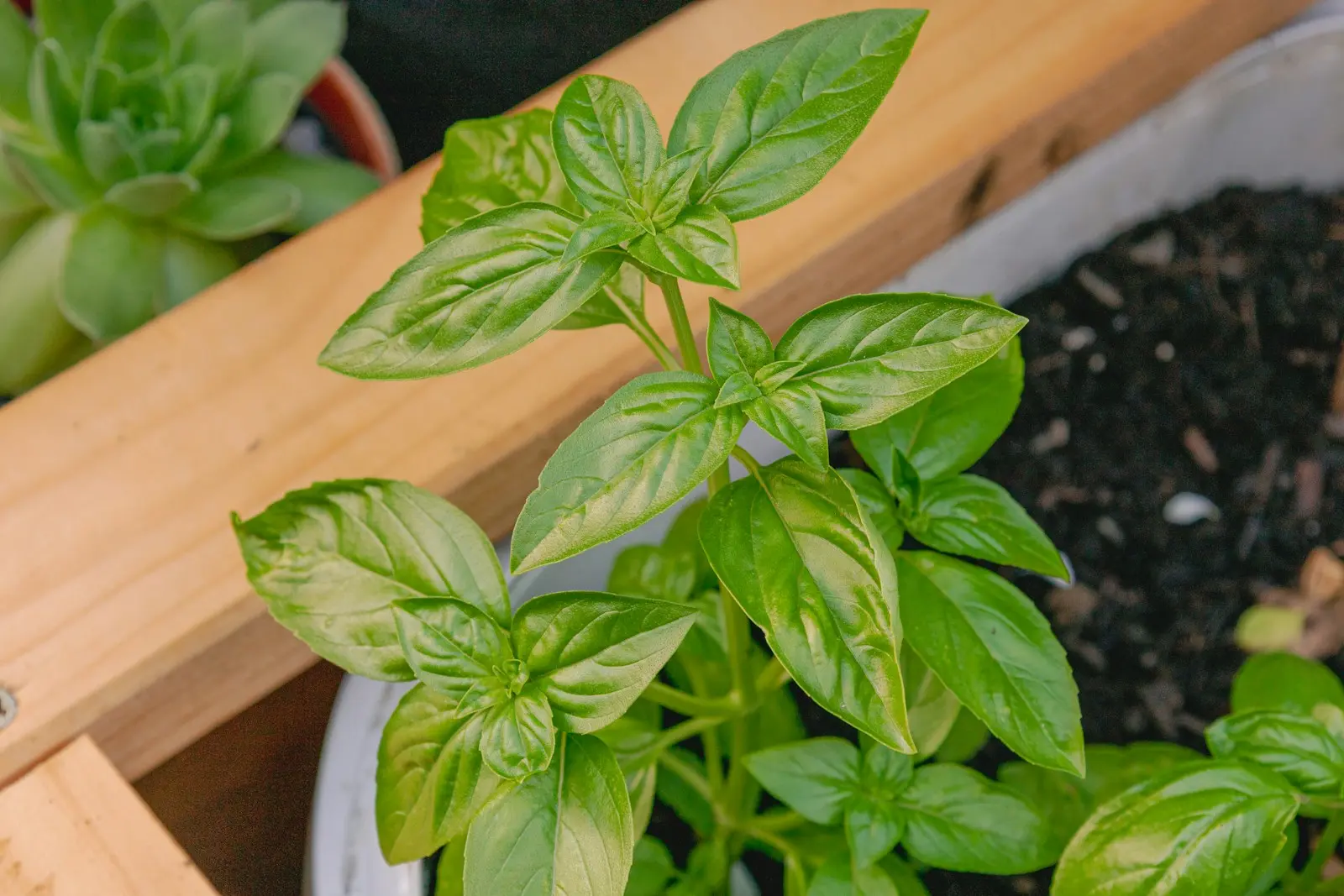
Sweet basil supplies the familiar aromatic leaves used in pesto and tomato dishes. This profile covers culinary Ocimum basilicum, especially green sweet and Genovese types. The basil shelf also includes purple foliage forms and types with distinct anise, citrus or cinnamon aromas; a different scent is a selection characteristic, not evidence that a healthy plant is deficient. Plant labels matter when a recipe depends on a familiar flavor. NC State distinguishes Genovese and Thai forms within the species and notes compact selections suited to containers. NC State plant profile.
Treat size as a cultivar choice too. A small border basil and a vigorous large-leaved plant cannot be given identical elbow room. Choose leaf type, growth habit and intended use together, then check the mature dimensions on the nursery label. A container beside the kitchen is useful only if its location also supplies the light and warmth that the plant needs.
Give roots moisture and leaves moving air
Basil grows best with sun, fertile soil and drainage that allows roots to remain aerated. Unlike woody Mediterranean herbs managed on the dry side, a leafy basil crop suffers when repeated wilting interrupts growth. Utah State recommends soil testing before fertilizer is added and emphasizes that water demand changes with temperature and soil. Use the condition of the root zone and recent rainfall to decide when to irrigate. Water the soil thoroughly, then let excess water drain away. Utah State basil guidance.
Keep competing weeds from overtaking young plants, but work shallowly near their roots. Space plants for their eventual canopy rather than the tiny seedling size. If neighboring leaves form a dense, continuously damp mass, harvesting and wider spacing are more useful than adding fertilizer. In pots, check both moisture and nutrient supply as growth increases. A pot can dry quickly in heat while the same mix stays wet during a cool, cloudy spell.
Start with settled warmth and healthy young plants
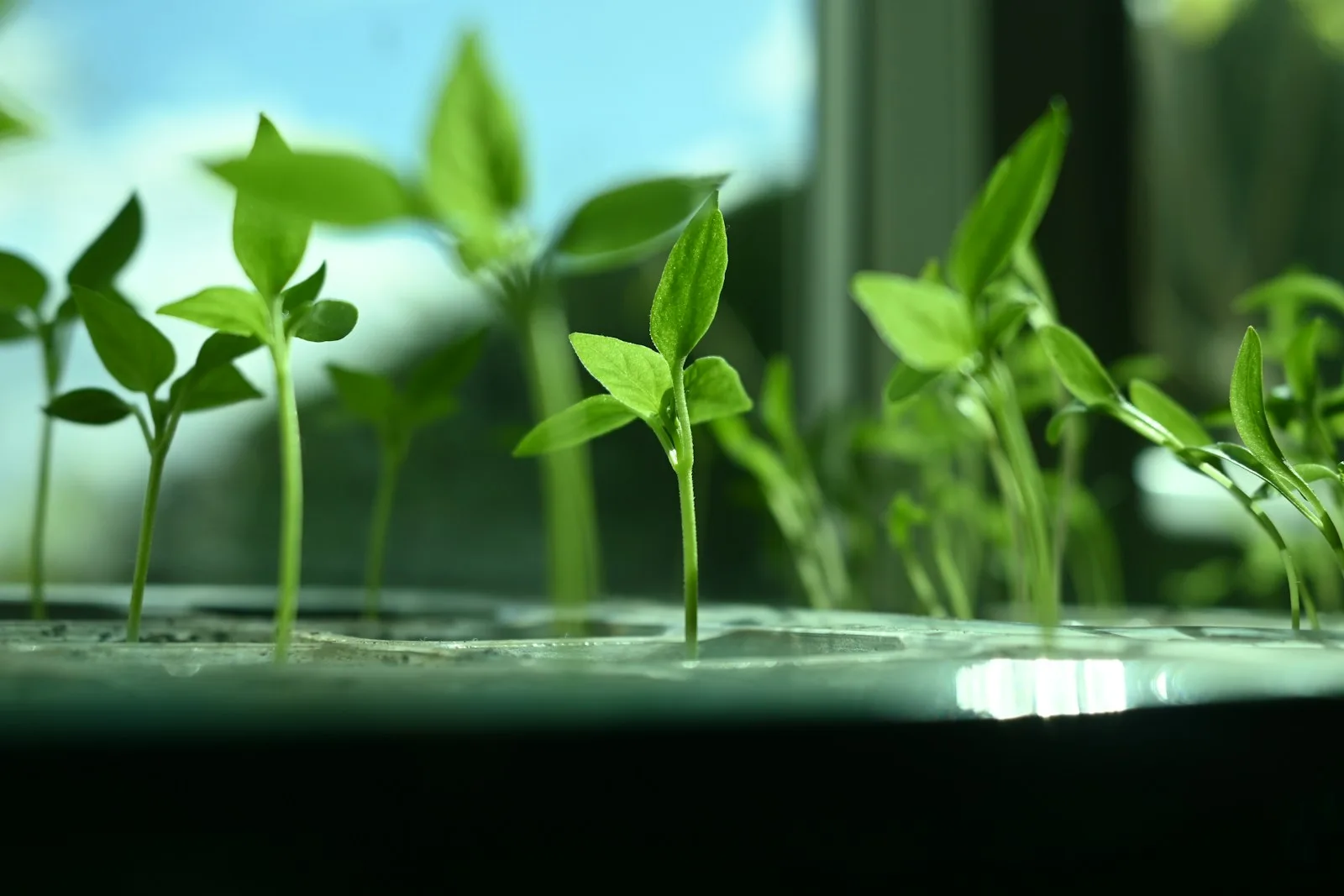
Seeds or nursery transplants both work. Iowa State recommends starting seed indoors about four or five weeks before the last frost and planting outdoors after frost danger has passed. Germination needs warmth, and seedlings need strong light so they develop sturdy growth. Indoor sowing is a head start, not a reason to place tender plants outdoors during cold nights. Iowa State basil growing guide.
For a small household crop, a modest batch is easier to light and manage than a crowded tray. Move plants into adequate growing space before they become cramped, and acclimatize indoor-raised seedlings gradually using the hardening-off guide. Inspect purchased plants before bringing them into the growing area. Healthy green tops, an intact root ball and no suspicious leaf-underside growth are better starting points than a large plant already struggling in its pot. Keep the seed packet for its cultivar-specific spacing and sowing instructions. If sowing outdoors, prepare the final growing space first so seedlings can be thinned promptly. Keeping a record of which variety occupies each pot also helps distinguish natural differences in leaf size from uneven growth.
Manage pots and replacement plants as the season advances
Basil adapts well to containers, provided the pot drains and has enough room for the selected plant. The RHS recommends a container at least 8 inches wide and deep as a starting point, with larger accommodation as needed. Many supermarket herb pots contain crowded seedlings intended for short-term picking. Their decline does not prove that basil cannot grow in the home; crowding and the original production purpose are part of the explanation. RHS basil guide.
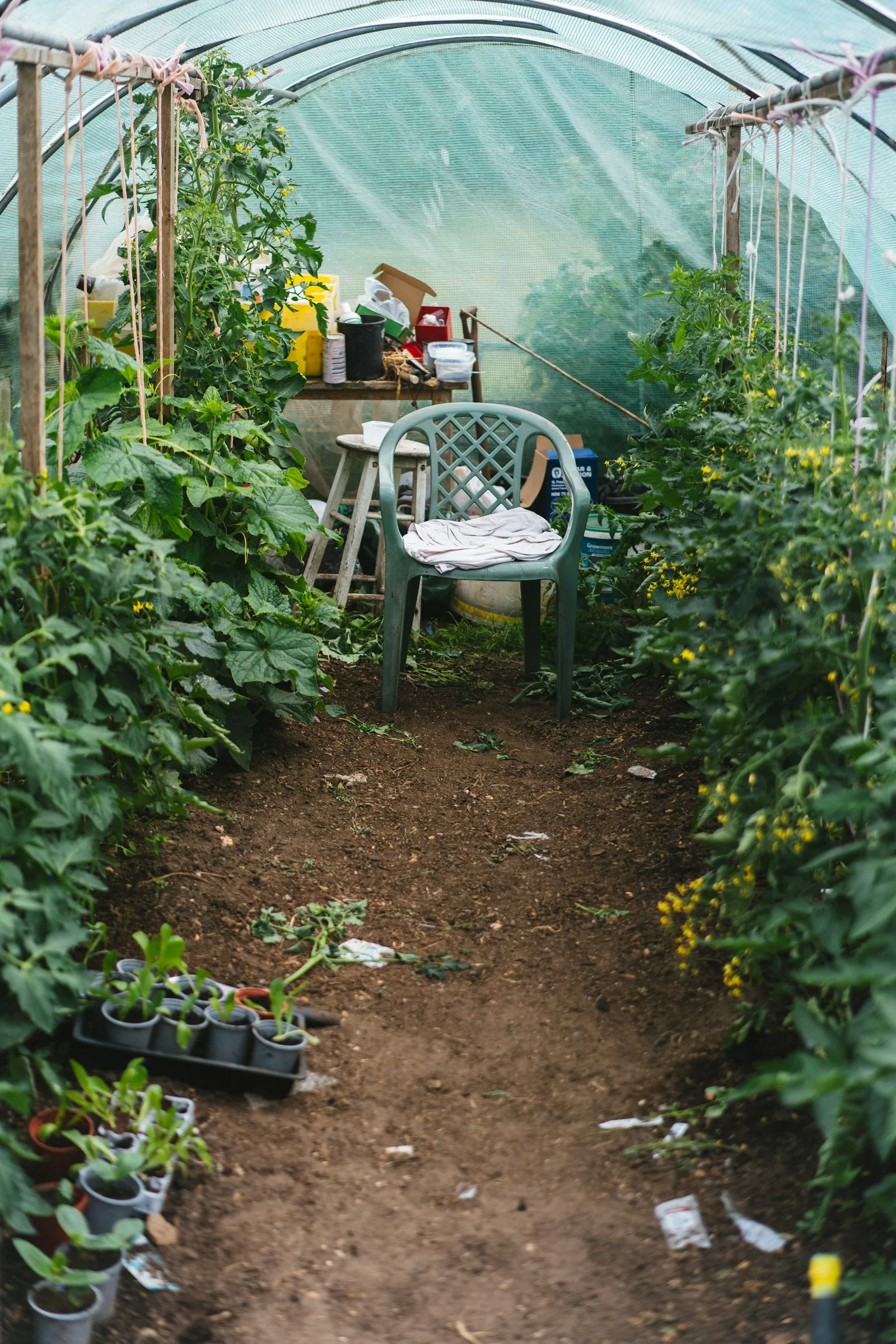
A sunny, sheltered outdoor spot is useful during warm weather. In cool climates, protected growing can extend the productive period, although a greenhouse still needs ventilation. Healthy nonflowering shoots can also be rooted as cuttings, providing replacement plants with the same characteristics. Plan replacements before the older crop becomes woody or diseased. Keeping an aging plant alive indoors is a different goal from maintaining the generous summer harvest of a plant growing outdoors in strong light.
Harvest young stems while preserving a leafy framework
Take leafy shoot tips instead of repeatedly removing isolated large leaves from the bottom. Cut immediately above a remaining pair of leaves so the plant retains growing points and foliage. Regular picking helps sustain a branching plant; a severe strip of a small or stressed specimen leaves little machinery for recovery. The detailed basil harvest guide shows how to decide where to cut and when to pause. University of Minnesota basil guidance.
Harvest according to what the plant can replace. If growth slows after cool weather or repeated drying, reduce the amount removed until new shoots are expanding again. Flowers can be attractive, but a plant allowed to mature and set seed becomes less useful for a sustained tender-leaf crop. Use leaves fresh when possible. Freezing is an option for surplus; dry leaves only where they can lose moisture fully before storage. Preserved basil will not have the same texture as freshly picked leaves.
Separate downy mildew from ordinary stress
Yellow leaves need inspection before treatment. Basil downy mildew often begins on lower foliage, with yellow areas bounded by major veins and gray, fuzzy growth beneath. This combination is more informative than yellow color alone. The University of Minnesota recommends resistant varieties, adequate spacing and prompt removal of infected plants. A cultivar marked DMR has been selected for downy mildew resistance, but the label is not a promise of immunity in every setting. Basil downy mildew identification.
Wilt with dry mix points first toward insufficient water, while decline in persistently wet soil raises a different root-zone concern. Chewed holes suggest feeding damage rather than mildew. Maryland advises avoiding overly lush growth and crowded canopies; it also identifies resistant cultivars as a useful prevention choice. Compare symptoms with the powdery versus downy mildew guide instead of applying a general mildew remedy to an unidentified problem. Maryland basil care.
Sources and scope
Research-based guidance informed by institutional references. Cultivar, region and growing conditions can change the advice. Product inclusion does not imply hands-on testing of every model.