A perennial plant with replaceable canes
Red raspberry roots and crowns persist, but the canes operate on a shorter cycle. A first-season cane is a primocane; after winter it becomes a floricane. Summer-bearing cultivars flower and fruit on floricanes, which then die. Primocane-fruiting cultivars can produce a later crop near the tips of new canes. Their unfruited lower portions can survive to crop the following summer if retained. Oregon State raspberry biology.
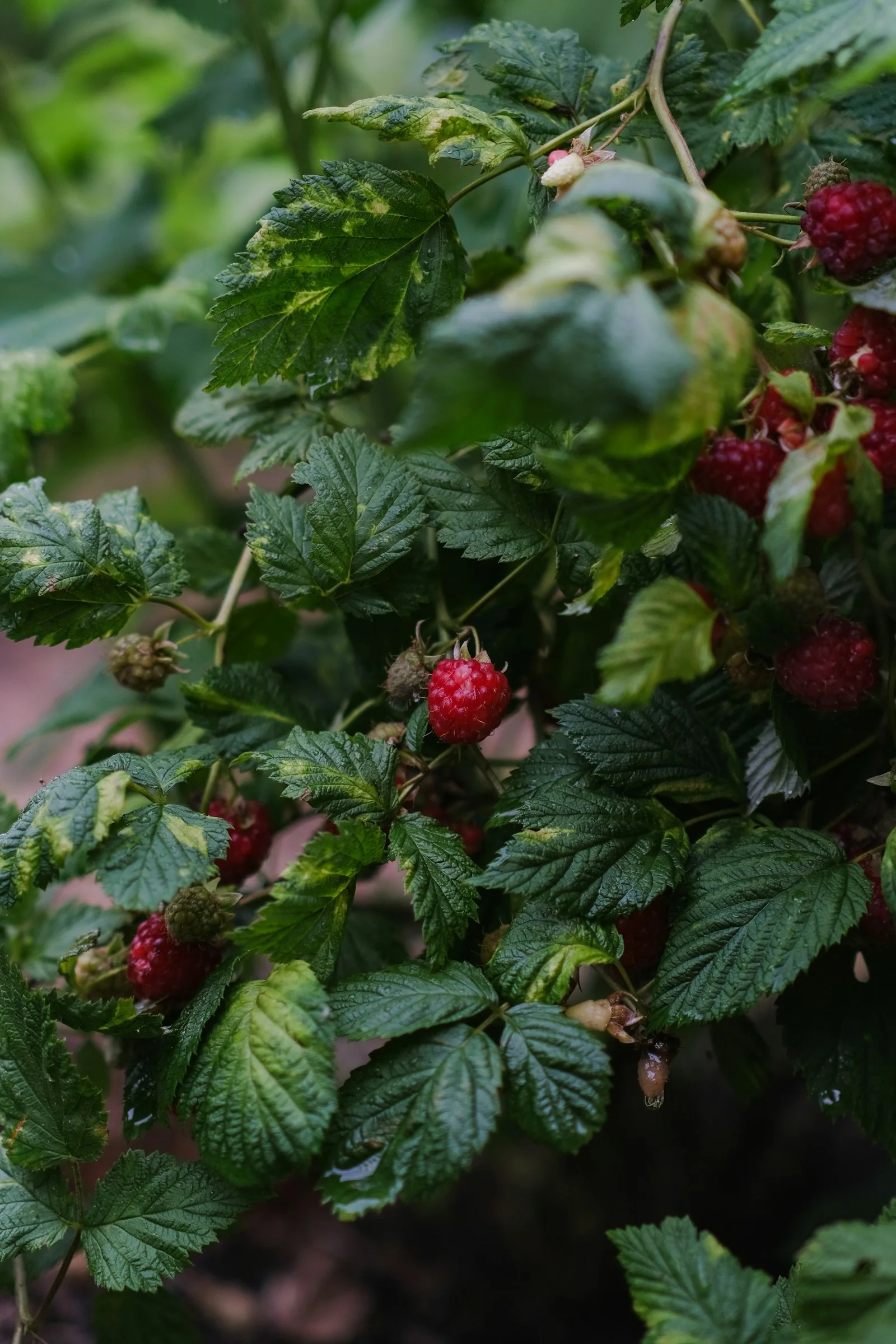
That biology explains why a raspberry patch contains vigorous green growth beside canes that look finished. The whole plant has not reached the end of its life. Yellow-fruited raspberries fit within this red-raspberry crop, while black raspberries and red–black purple hybrids require different management. A ripe raspberry slips off its pale central receptacle, leaving a hollow berry. In a blackberry, that central core comes away with the picked fruit, a useful distinction when inspecting an unfamiliar planting.
Choose for winter survival and a harvest that can finish
Match a cultivar to the local climate rather than assuming all raspberries welcome the same conditions. Cold winters can kill exposed canes, while a short autumn can stop a late primocane crop before it ripens. Colorado State emphasizes cultivar selection and site protection because drying winds, fluctuating winter temperatures and the length of the season all affect success. A healthy-looking summer cane is not proof that its flower buds will survive winter. Raspberries for the home garden.
Choose the sunniest suitable location with drainage and enough shelter to limit damaging exposure. Compare harvest season with your own garden’s first autumn freezes and with when you can actually pick. A concentrated summer crop and a prolonged later crop create different kitchen routines. Keep cultivar names and original fruiting descriptions together. If an inherited patch has no label, observe which canes flower through a complete season before committing the entire planting to a new pruning method.
Start clean plants in a row you can reach
Buy healthy nursery plants rather than importing unknown suckers from a neglected patch. Viruses can travel with planting material, and visible vigor alone does not certify a plant free of infection. Dormant bare-root plants and potted plants are both useful, provided roots stay protected before planting and the planting hole accommodates them without forcing a tight circle. Follow the supplier’s depth guidance for that stock type and settle soil with water. Minnesota raspberry establishment.
Red raspberries send up shoots from roots beyond the original crown. Allow them to fill the intended row, then remove growth outside it before the patch becomes an inaccessible thicket. Arrange supports so the cane row remains reachable from its sides. An open row makes it easier to inspect berries, remove spent stems and discover a damaged cane. Containers can work for suitable compact selections, but restricted roots, winter exposure and continual sucker management make this a conditional choice.
Feed the crop without making a damp thicket
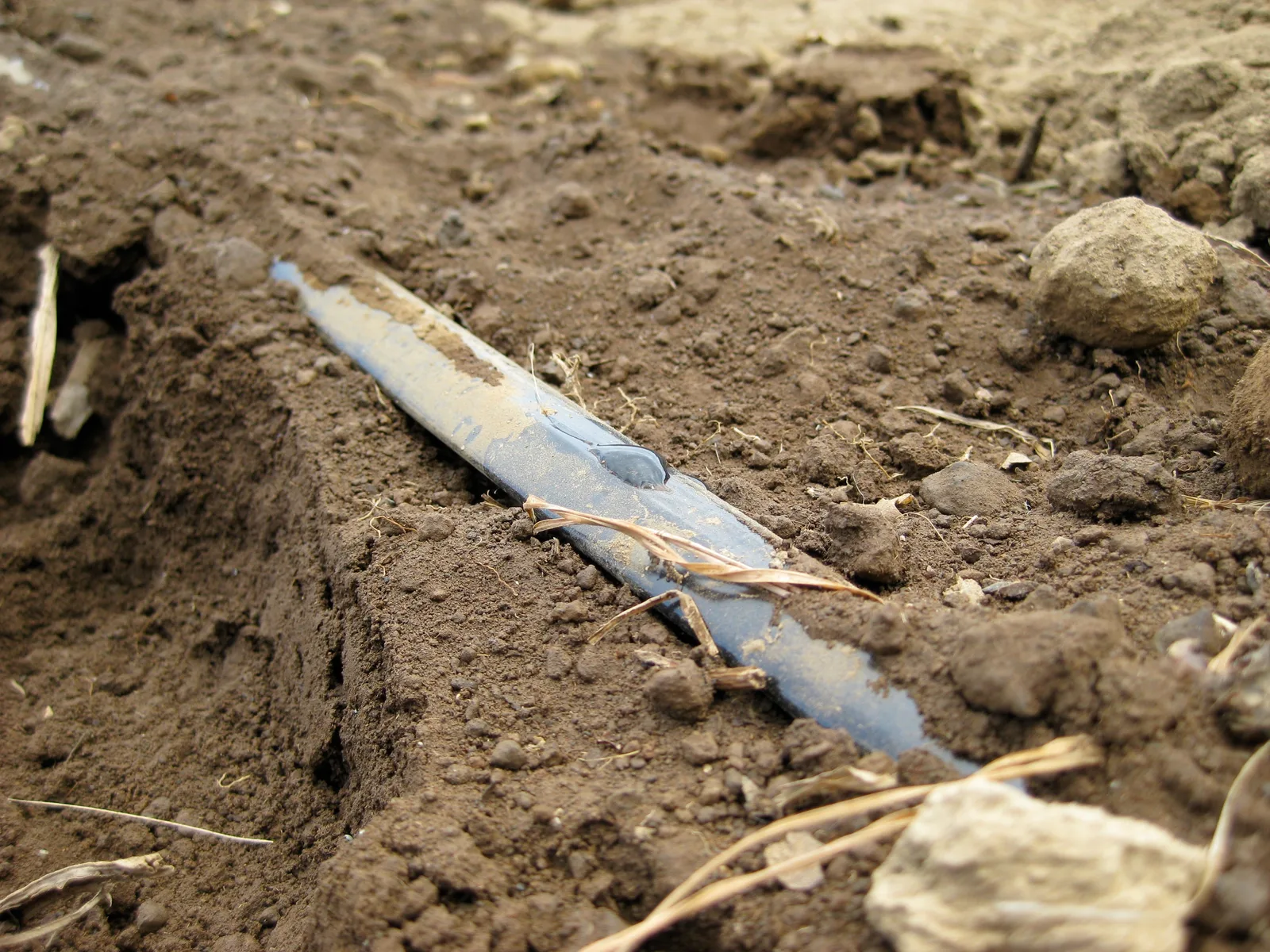
Raspberries need available moisture during flowering and berry expansion. Water the rooting area according to rainfall, soil and weather, then check that water penetrates rather than simply darkening the mulch. Drip delivery can keep foliage drier while supplying the row. A shallow mulch helps conserve moisture and suppress weeds; an excessively wet layer can worsen root conditions. Keep cultivation shallow to avoid disturbing roots close to the surface. Nebraska raspberry care.
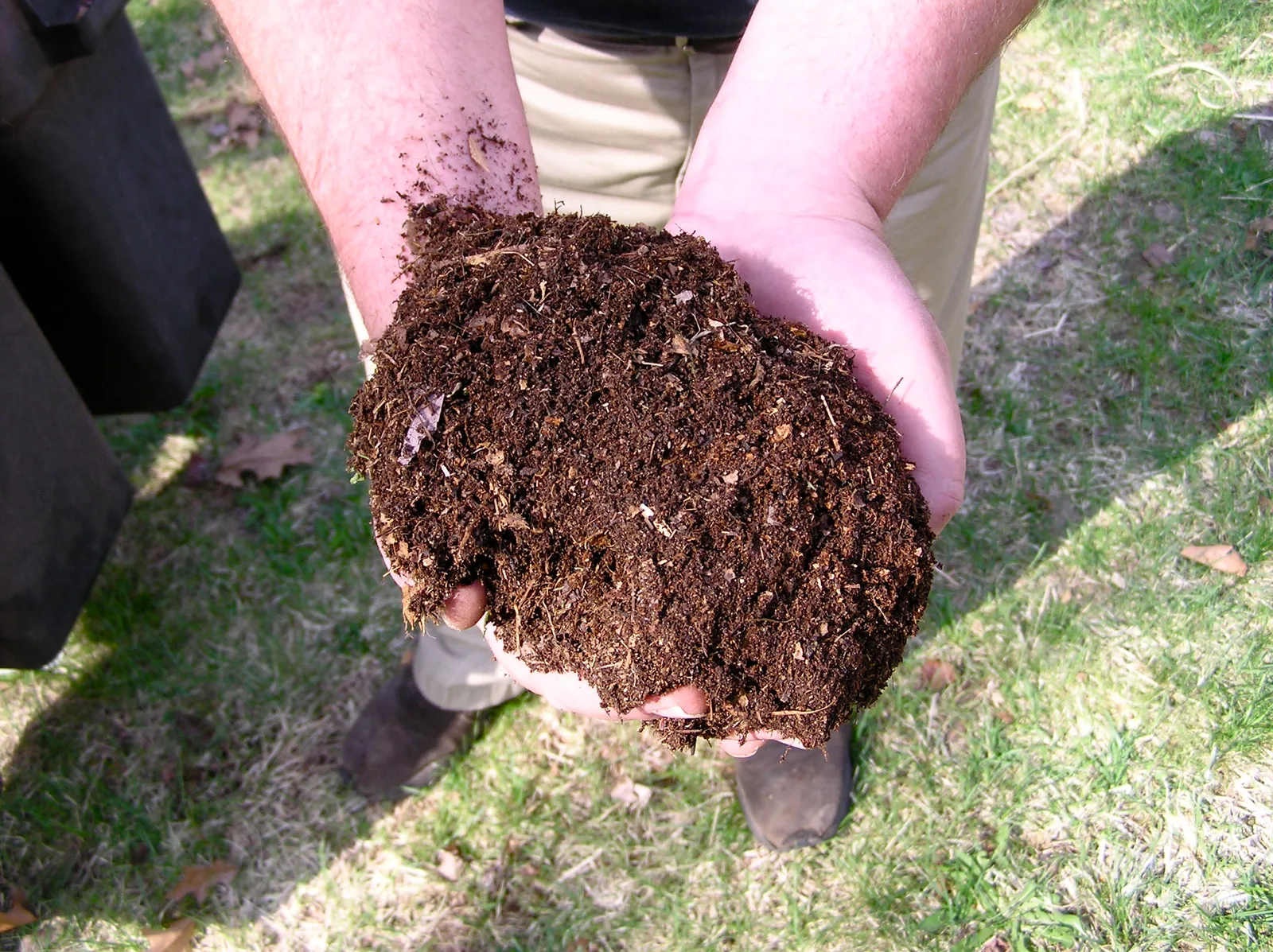
Use a soil test and observed cane vigor to guide fertilizer. A row already producing strong, crowded growth does not automatically need more nitrogen. Avoid late applications that encourage soft growth before cold weather. Maintain water access after a summer harvest because replacement canes are still growing. Inspect irrigation while clearing weeds and tying canes: those jobs reveal whether dry areas, leaks or competition explain uneven growth. The emitter spacing guide helps translate the soil’s wetting pattern into a workable layout.
Prune for the crop you intend to keep
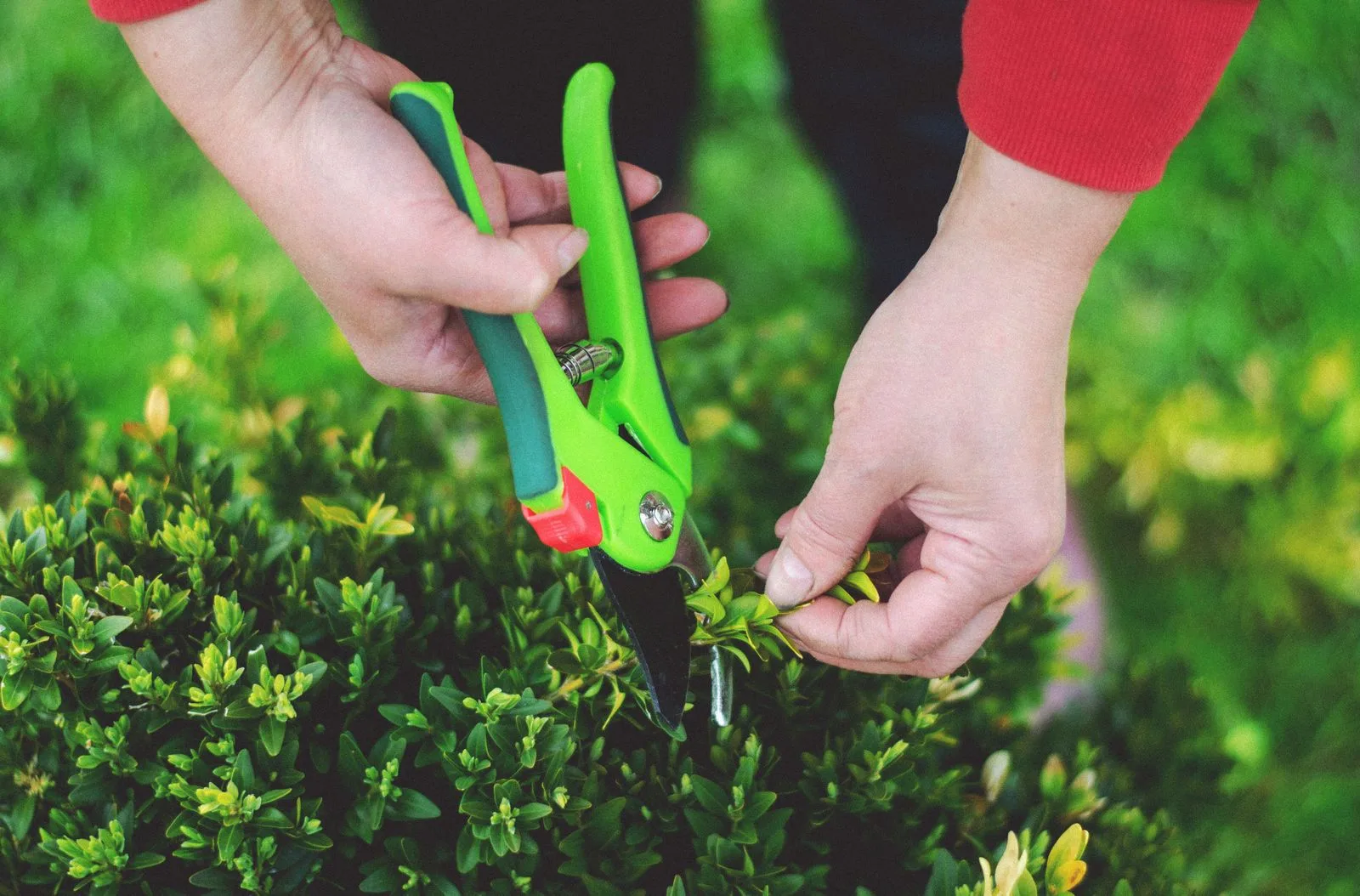
For summer-bearing red raspberries, retain strong canes that grew during the previous season and remove those that have already fruited. Thin weak or damaged stems so the surviving row has light and air. For a primocane-fruiting cultivar managed for a fall-only crop, all canes can be cut near ground level while dormant; new canes then produce the intended harvest. Applying that method to an ordinary summer-bearing cultivar repeatedly removes the wood needed for fruit. South Dakota red raspberry pruning.
A two-crop primocane system retains the living lower portion of last year’s canes for summer fruit, while new canes supply the later crop. It demands more careful separation and can increase crowding. Dieback of a tip that fruited in autumn is expected and does not alone prove winter injury or disease. The summer-versus-fall pruning guide explains the decision in greater detail, including how to identify the canes before cutting.
Harvest a hollow berry with a short shelf life
Pick when the cultivar’s mature color has developed and the berry releases with a gentle pull. A fruit that must be tugged hard is not ready. Raspberries in the same cluster ripen at different times, so return regularly instead of stripping the whole row at once. Choose sound fruit and keep damaged or moldy berries separate. A shallow picking container prevents the weight of the harvest from crushing the bottom layer. South Dakota raspberry harvest and storage.
Move picked fruit promptly into cool storage and wash it just before use. Wet, bruised berries break down quickly. Plan small, frequent harvests if fresh eating is the goal, and arrange processing or freezing before a heavy crop arrives. Remove fallen and overripe berries rather than letting them accumulate beneath the canes, where they attract fruit-feeding pests. Keeping fruit off the soil through support also reduces contamination and makes it easier to select ripe berries without handling every cluster.
Distinguish white drupelets, rots and dying canes
Pale individual drupelets after hot, dry exposure can indicate sunscald. Gray, powdery growth on soft fruit points instead toward gray mold, particularly after wet conditions. Spotted wing drosophila larvae can develop inside previously sound ripening berries and leave them soft or sunken. These problems need different responses, even when the final symptom is simply a berry you cannot use. Minnesota raspberry fruit diagnostic key.
For a declining cane, first ask whether it has completed fruiting. That normal death differs from a new cane suddenly wilting. Check for stem injury, localized swellings, lesions and the moisture condition at the crown; persistent wet soil raises concern about root disease. Document the affected cane’s age and whether neighboring canes show the same pattern before seeking a diagnosis. Avoid moving suckers from a declining patch. Improve picking hygiene and canopy access while investigating, rather than treating every symptom with an undirected spray.
Sources and scope
Research-based guidance informed by institutional references. Cultivar, region and growing conditions can change the advice. Product inclusion does not imply hands-on testing of every model.
- Oregon State: Growing Raspberries in Your Home Garden
- Colorado State: Raspberries for the Home Garden
- University of Minnesota: Growing raspberries in the home garden
- Nebraska Extension: Spring and Summer Care of Raspberries
- South Dakota State: Pruning Red Raspberries
- South Dakota State: Raspberries: Harvest and Storage
- University of Minnesota: Discolored or rotten raspberry fruit