Choose what to grow
Compare plants.
Put the light, root space and seasonal needs beside one another before choosing a place in your garden or home.
1 of 3 plants selected — add another to compare.
| Care decision | 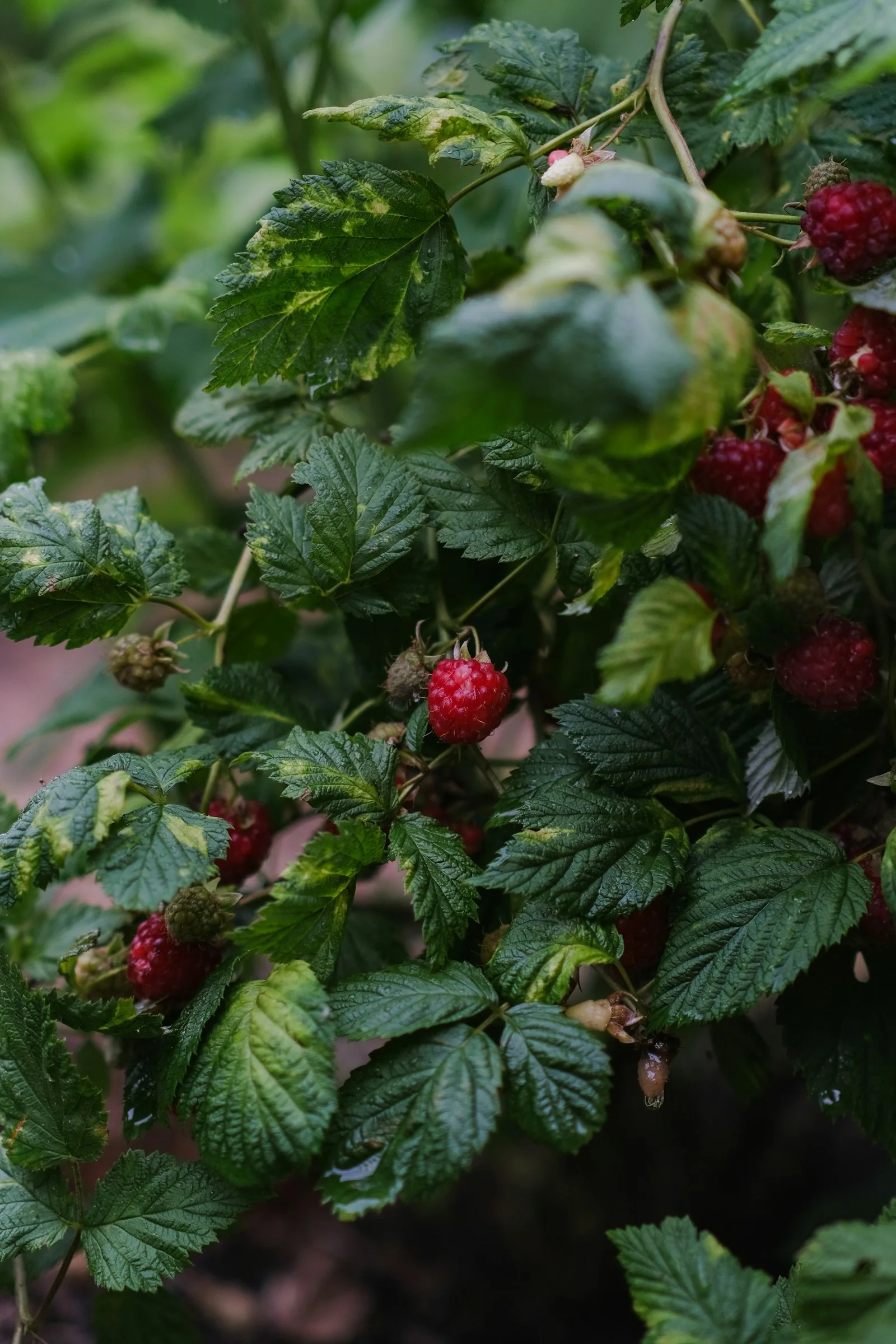 |
|---|---|
| Light | Full sun gives the best production; regional heat and wind exposure still affect cultivar performance. |
| Water | Maintain available moisture from spring growth through harvest without leaving roots in saturated ground. |
| Soil & growing mix | Fertile, well-drained soil with organic matter; Oregon State gives a preferred pH range of 5.6–6.5. |
| Mature size | A spreading, suckering patch of upright or arching canes; reserve a managed row and support space rather than treating it as one static bush. |
| Growing season | Perennial roots and crown; individual canes normally complete a two-season life cycle. Harvest timing depends on fruiting type and local growing season. |
| Winter & climate | Choose a cultivar proven for local winter lows. Summer-bearing crops depend on overwintered canes, while a fall-only crop still needs enough frost-free season to ripen. |
| Container fit | Container choice matters. Check mature size and root-space guidance in the reference. |
| Place & variety | This profile covers cultivated red raspberries, including yellow-fruited forms of the same crop. Black raspberries and purple hybrids have different cane habits and pruning details. A northern raspberry recommendation is not proof of suitability for a hot southern site. |
| Equipment to consider | |
| Evidence & next steps |
|
These facts help compare choices. They do not establish that plants can share a pot, watering circuit or outdoor site. Check the full reference and local suitability before planting.
Open this comparison as a bookmarkable page
Give your choice enough room.
Use inside bed or pot measurements to plan mix quantities and working space.